 Products
Bio-oil Applications in Fuel Production
Bio-oil, the liquid product of pyrolysis, can be refined into transportation fuels and used for industrial heating.
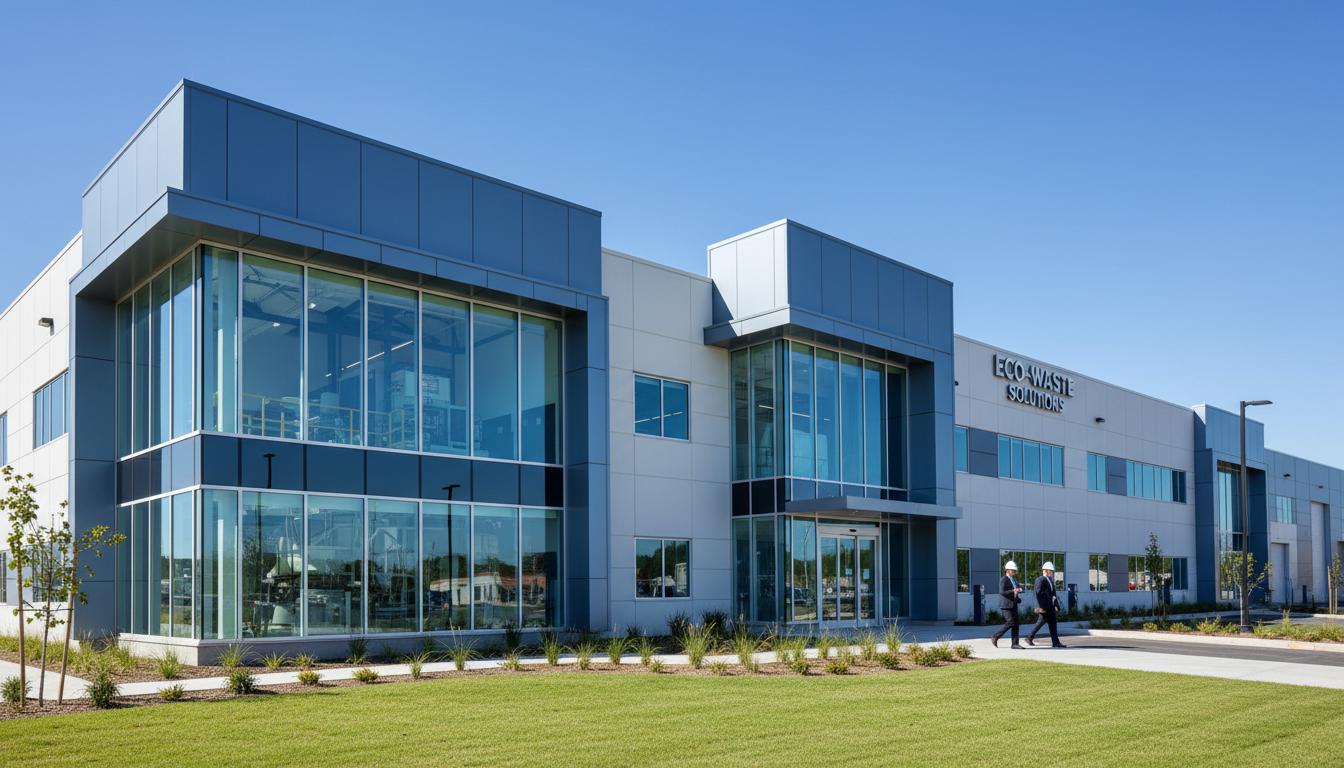
TRANSFORMING WASTE INTO VALUE
Get a Free ConsultationJoin 500+ companies already using pyrolysis solutions
Every minute, 3,825 tons of municipal waste are produced globally. With waste generation expected to reach 3.8 billion tons by 2050, innovative solutions like pyrolysis are critical for environmental sustainability.
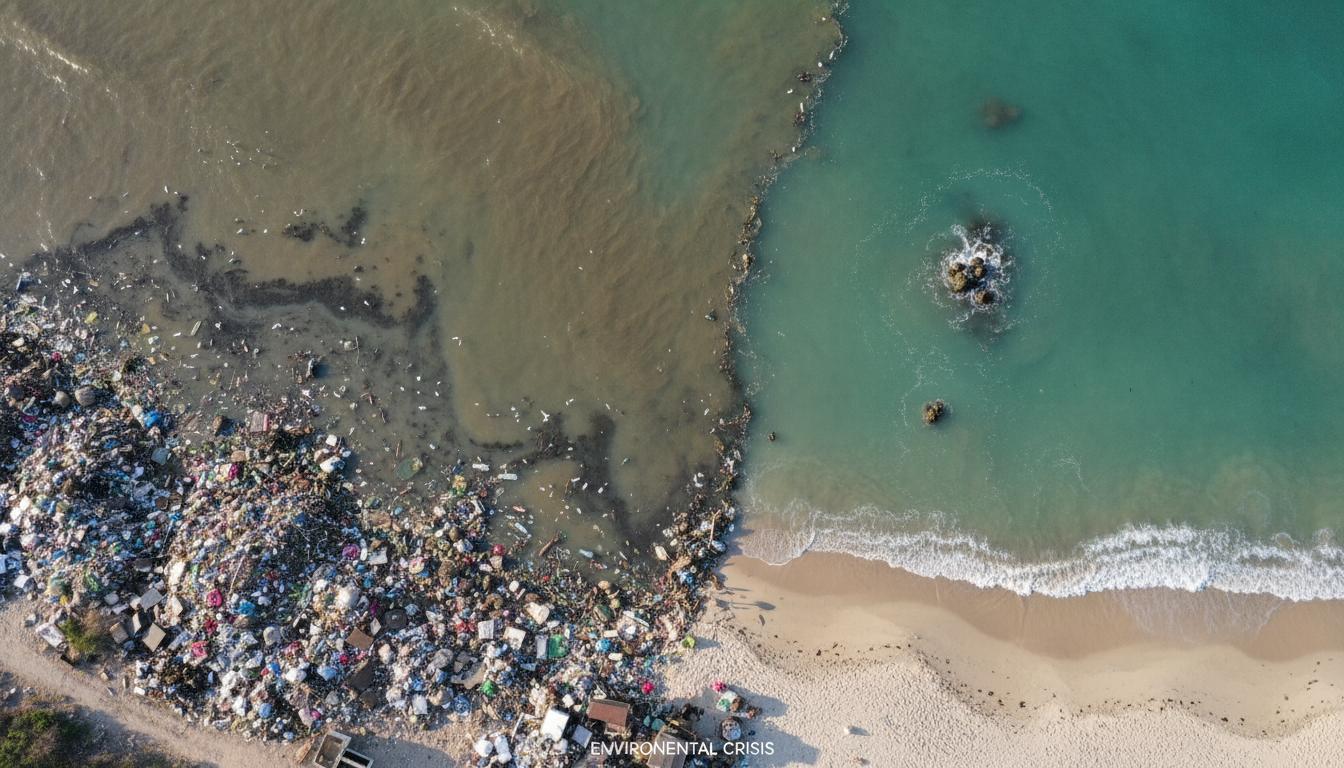
From ancient civilizations to modern industry, pyrolysis has evolved over thousands of years to become one of the most promising waste management technologies of the 21st century.
Ancient Egyptians used pyrolytic liquid products such as wood tar and pyroligneous acid for embalming. The Macedonians, documented by Theophrastus, obtained wood tar by burning biomass in pits. Charcoal was the first synthetic material produced by humanity.
Technologies for recovering condensable pyrolytic products were well developed. Brick kilns were built to recover gases that were previously lost. Iron retorts followed, allowing more efficient production of charcoal and liquid byproducts.
The "wood-acid" industry or wood distillation was established to produce charcoal and valuable liquid byproducts including acetic acid, methanol, and acetone. This industry is considered the precursor to the modern petrochemical industry.
The oil crisis forced a reconsideration of biomass pyrolysis as a technology to reduce dependence on fossil fuels. "Fast" pyrolysis reactors were introduced to maximize liquid product yields.
Recent advances in bio-oil hydrotreatment, fractionation, and new derived products (transportation fuels, phenol-formaldehyde resins, carbon fibers) are catalyzing the development of biorefineries. The global market is projected to exceed $3.19 billion by 2030.
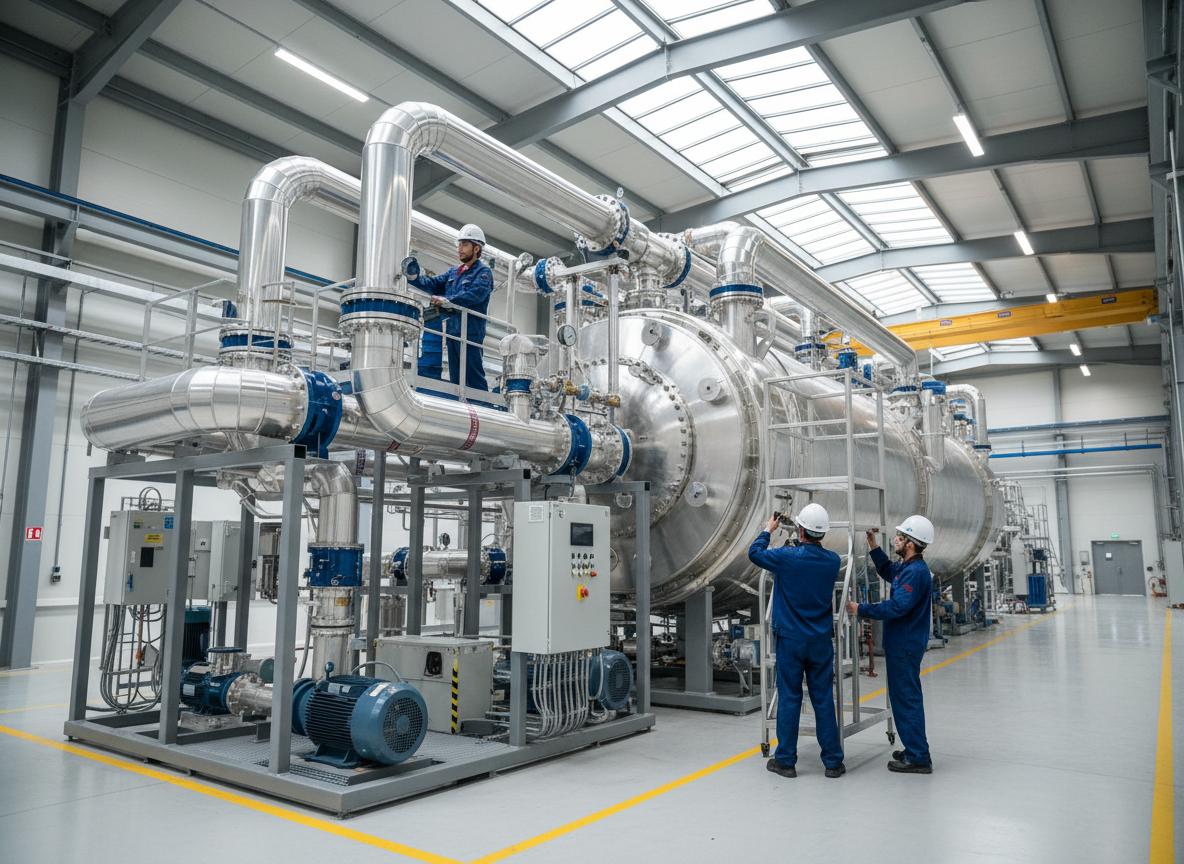
Materials shredded to particles <3mm, moisture reduced to <10% for optimal heat transfer.
The oxygen-free reactor environment decomposes complex molecules into simpler compounds at temperatures of 300-1000°C.
Separation of bio-oil (30-60%), syngas (15-35%), and biochar (10-25%) with 95-99% total conversion efficiency.
| Parameter | Slow Pyrolysis | Fast Pyrolysis | Flash Pyrolysis |
|---|---|---|---|
| Temperature Range | 400-600°C | 400-650°C | 700-1000°C |
| Residence Time | 5-30 min | 0.5-2 sec | <0.5 sec |
| Heating Rate | 10°C/s | 100°C/s | >500°C/s |
| Bio-oil Yield | 30-35% | 60-75% | 10-20% |
| Biochar Yield | 25-35% | 10-15% | 10-15% |
| Syngas Yield | 35-40% | 15-25% | 60-80% |
Pyrolysis offers dramatically lower environmental impact than traditional waste management methods. The technology not only reduces emissions but can achieve carbon-negative operations through biochar sequestration.
| Environmental Factor | Pyrolysis | Incineration | Landfill |
|---|---|---|---|
| GHG Emissions | Very Low | High | Very High |
| Carbon Capture | Yes (Biochar) | No | No |
| Material Recovery | High | Moderate | None |
| Feedstock Flexibility | Mixed/Contaminated | All Combustible | All Waste |
Biomass pyrolysis with biochar production can achieve net-negative emissions. Every ton of biochar sequesters 2.5 tons of CO₂ equivalent while improving soil health, water retention, and crop yields. This is a recognized Carbon Dioxide Removal (CDR) pathway under carbon credit standards including Verra VCS and Puro.earth.
In-depth articles about pyrolysis technology, environmental benefits, and industry developments.
Products
Bio-oil, the liquid product of pyrolysis, can be refined into transportation fuels and used for industrial heating.
 Technology
Compare slow, fast, and flash pyrolysis to understand which process type is right for your application.
Market
The global pyrolysis oil market is expected to grow from $718 million in 2024 to $1.44 billion by 2034, driven by circular economy policies.
 Waste Crisis
With 400 million tons of plastic waste produced annually and only 9% recycled, pyrolysis offers a viable solution for plastic waste management.
 Environment
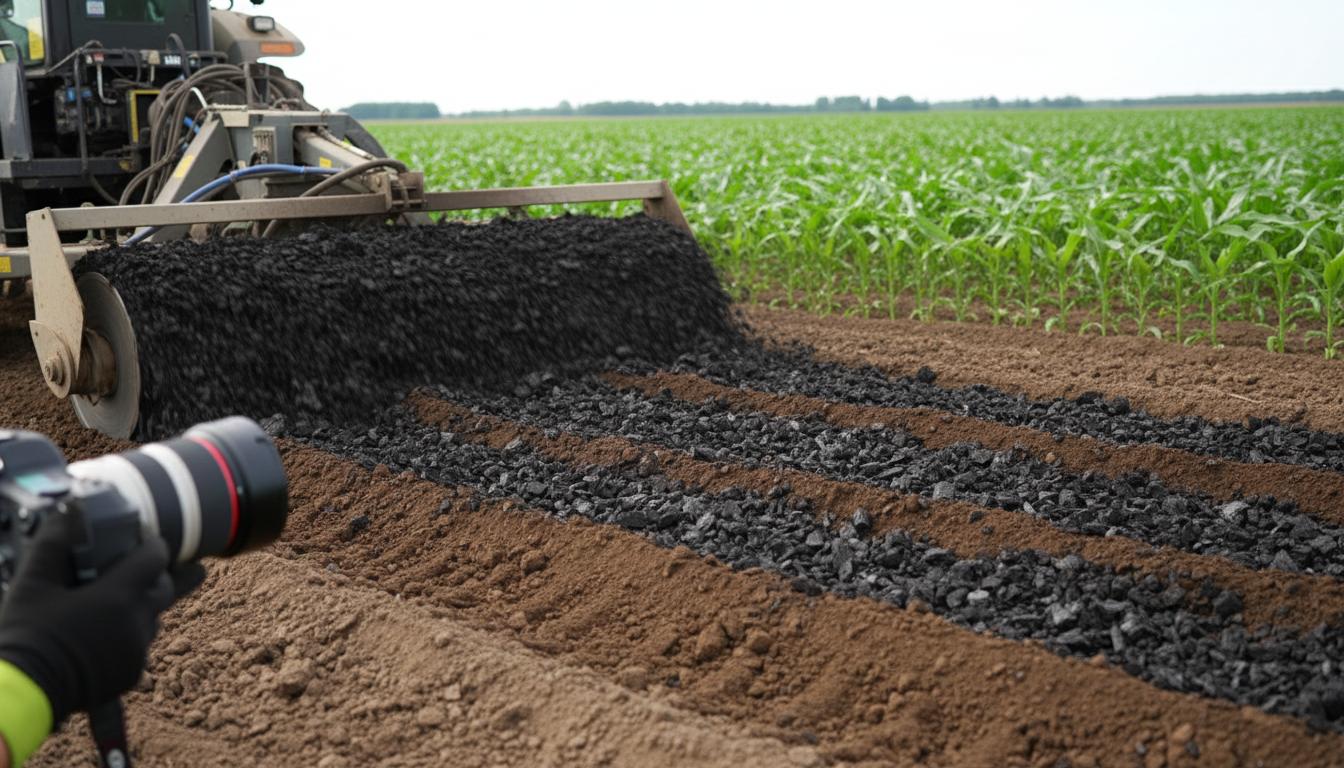
Biochar is a stable form of carbon that can lock away CO2 for thousands of years while improving soil health.
 Technology
Pyrolysis is the thermal decomposition of organic materials in an oxygen-free environment. Learn how this technology converts waste into valuable resources.
Pyrolysis technology is being deployed commercially worldwide, demonstrating real environmental and economic benefits in diverse applications.
Perth, Australia
World's first commercial-level demonstration of methane pyrolysis technology producing low-cost, low-emissions hydrogen and graphitic carbon. The Commercial Demonstration Plant (CDP) represents over 1...
Focusing on monetizing the products from the pyrolysis process. Hardrada is able to create a very flexible reactor, processing everything from Urban Residue to Water Treatment waste....
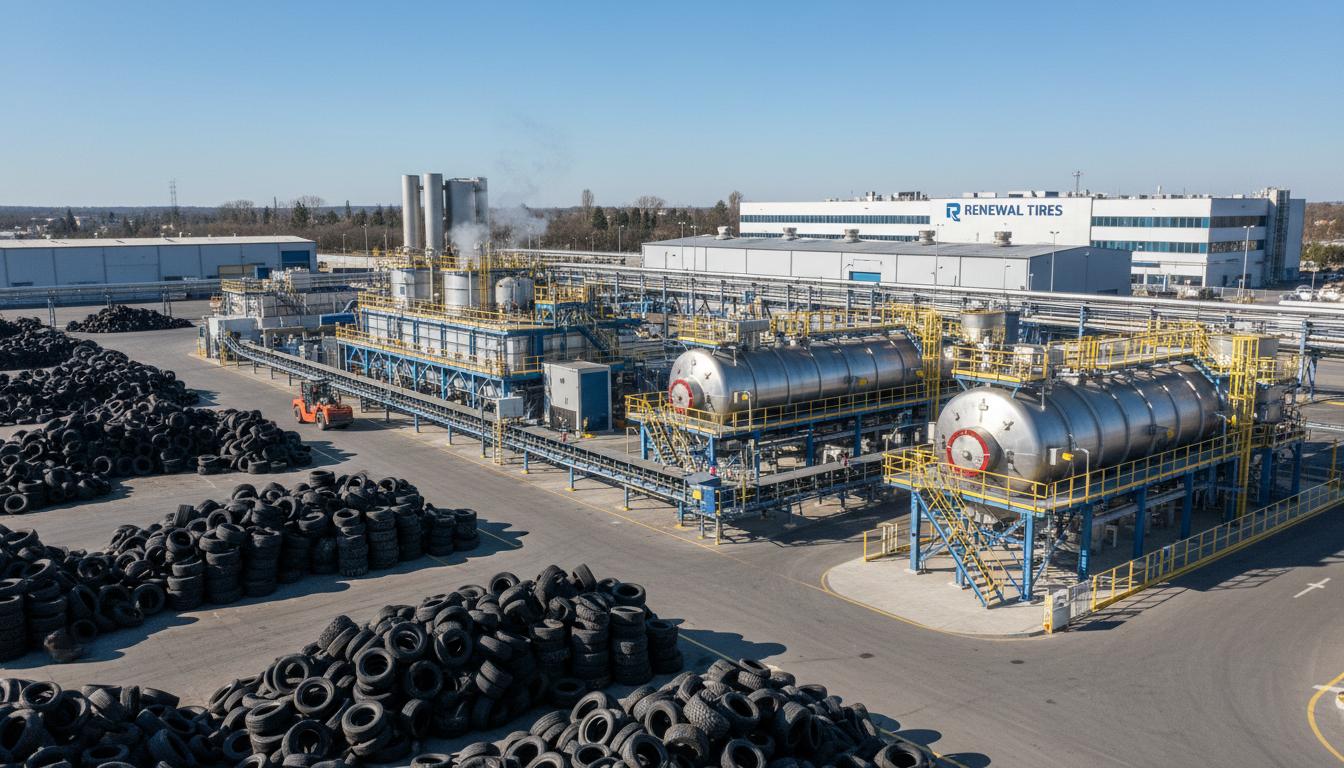 Ireland
The largest industrial-scale pyrolysis plant ever designed, processing 75,000 tonnes of waste per year with 10 MW of installed capacity. Power fed into the Irish grid under a long-term power purchase ...
Netherlands / Denmark
Partnership with Shell and Borealis for chemical recycling. First commercial plant at Renasci with 24 kiloton capacity, scaling to 70-kiloton single train design. Continuous process technology for mix...
The global pyrolysis oil market is experiencing strong growth driven by increasing adoption of waste-to-energy technologies, circular economy policies, and stricter environmental regulations worldwide.
Europe leads with 36% market share due to strong recycling policies, while Asia-Pacific shows the fastest growth with a 23.5% CAGR, driven by Chinas goal to utilize 4 billion tons of waste and Japans NEDO financing initiatives.
Our experts will analyze your waste stream and provide a customized pyrolysis solution proposal with ROI projections.